
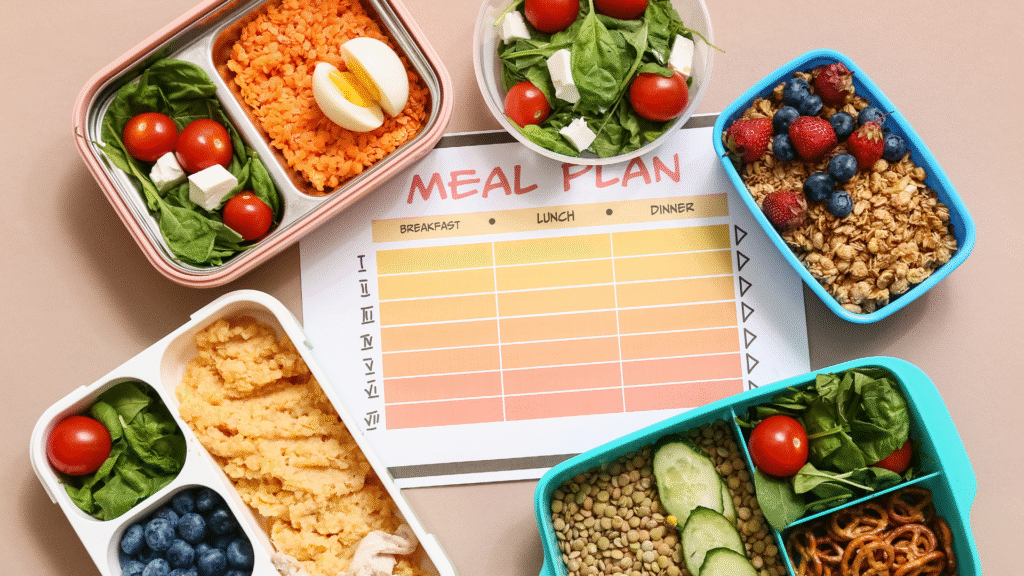
Recovery from addiction is not only about detoxification, counseling, and therapy—it also requires rebuilding the body and mind through proper nutrition. Drugs, alcohol, smoking, and other addictive substances weaken the digestive system, damage vital organs, disrupt sleep cycles, and drain essential nutrients from the body.
This is why many Nasha Mukti Kendras include a structured diet plan as part of their treatment.
A healthy diet helps the body repair itself faster, reduces withdrawal symptoms, stabilizes mood, and improves overall mental clarity.
This blog provides a detailed, science-backed diet plan specifically designed for individuals recovering from addiction.
Why Nutrition Matters in Addiction Recovery
Addiction creates severe nutritional imbalances due to:
- Poor eating habits
- Loss of appetite
- Vitamin & mineral deficiency
- Weak digestion
- Liver stress
- Dehydration
- Hormonal imbalance
Proper nutrition helps the body regain strength, boosts immunity, and supports mental well-being.
How Addiction Affects Nutrition & Digestion
1. Alcohol Addiction
- Damages liver
- Weakens digestion
- Causes Vitamin B deficiency
- Increases inflammation
2. Drug Addiction
- Suppresses appetite
- Causes rapid weight loss
- Damages organs
- Disturbs metabolism
3. Smoking Addiction
- Reduces Vitamin C levels
- Weakens lungs
- Increases oxidative stress
4. Behavioral Addictions (Digital, Gambling, etc.)
- Irregular eating
- Poor sleep
- Increased junk-food dependency
Core Principles of a Recovery Diet
A good addiction recovery diet follows these principles:
- High nutrition
- High hydration
- Balanced protein
- Low sugar
- Low processed foods
- Rich in vitamins & minerals
- Anti-inflammatory ingredients
- Easily digestible meals
Best Foods for Addiction Recovery
1. Protein-Rich Foods
Protein helps repair tissue damage, build muscle, and stabilize blood sugar.
Examples:
- Eggs
- Paneer
- Lentils
- Chickpeas
- Fish
- Chicken
- Tofu
- Greek yogurt
Benefits:
- Reduces cravings
- Improves energy
- Supports brain function
2. Complex Carbohydrates
These carbs release energy slowly, keeping mood stable.
Examples:
- Brown rice
- Oats
- Whole wheat
- Sweet potatoes
- Quinoa
- Millets
Benefits:
- Prevents mood swings
- Supports brain function
- Helps with sleep
3. Healthy Fats
Essential for brain recovery.
Examples:
- Nuts
- Seeds
- Olive oil
- Ghee
- Avocado
- Coconut
Benefits:
- Reduces inflammation
- Boosts memory
- Improves hormone balance
4. Fruits & Vegetables
Packed with antioxidants.
Best choices:
- Berries
- Apples
- Bananas
- Oranges
- Spinach
- Broccoli
- Carrots
- Beetroot
Benefits:
- Detoxifies the body
- Improves digestion
- Strengthens immunity
5. Hydrating Foods & Liquids
Addiction causes dehydration.
Drink:
- Coconut water
- Lemon water
- Herbal teas
- Warm water
- Vegetable soups
Avoid:
- Soda
- Energy drinks
- Excessive caffeine
6. Anti-Inflammatory Foods
Examples:
- Turmeric
- Ginger
- Garlic
- Green tea
Benefits:
- Reduces pain
- Supports liver function
- Improves brain health
7. Probiotic Foods
Support healthy digestion.
Examples:
- Curd
- Buttermilk
- Fermented foods
- Kombucha (non-alcoholic)
Benefits:
- Improves gut health
- Reduces bloating
- Enhances mood
A Complete Sample Diet Plan for Addiction Recovery
Morning (7:00–8:00 AM)
- Warm water with lemon
- Herbal tea or green tea
- A handful of soaked almonds & raisins
Benefits: Hydration + liver cleansing + energy boost.
Breakfast (9:00 AM)
Choose one:
- Oatmeal with fruits
- Sprouts salad
- Vegetable upma
- Paneer bhurji with roti
- Poha with peanuts
Benefits: Balanced energy + fiber + vitamins.
Mid-Morning Snack (11:00 AM)
- Fresh fruit (banana, apple, or papaya)
- Coconut water
Benefits: Natural sugar + hydration.
Lunch (1:00 PM)
- Brown rice / chapati
- Dal (lentils)
- Mixed vegetables
- Curd
- Salad
Benefits: Balanced carbs + protein + probiotics.
Evening Snack (4:00 PM)
- Herbal tea
- Nuts or roasted chana
- Fruit bowl
Benefits: Prevents evening cravings.
Dinner (7:30–8:30 PM)
Choose one:
- Khichdi
- Vegetable soup with whole-wheat toast
- Grilled chicken and veggies
- Roti + sabzi + dal
Benefits: Light & nutritious meal for good sleep.
Before Bed (9:30–10:00 PM)
- Turmeric milk or chamomile tea
Benefits: Better sleep + reduced anxiety.
Foods to Avoid in Recovery
Avoid foods that affect mood, sleep, and cravings:
- Junk food
- Excessive sugar
- Caffeine
- Spicy food
- Carbonated drinks
- Processed snacks
- Fried food
- Smoking
- Energy drinks
These foods increase anxiety, cravings, and sleep disturbances.
Nutritional Supplements That Help in Recovery
(Only under doctor supervision)
- Vitamin B complex
- Omega-3
- Vitamin D
- Magnesium
- Zinc
- Probiotics
These supplements support brain and body healing.
How Proper Diet Helps in Withdrawal
A balanced diet reduces withdrawal symptoms like:
- Anxiety
- Irritability
- Headache
- Cravings
- Nausea
- Fatigue
- Mood swings
Good nutrition speeds up recovery dramatically.
How Nasha Mukti Kendras Use Diet Therapy
1. Personalized Meal Plans
Based on the patient’s age, addiction type, and health conditions.
2. Balanced Nutrient Intake
Meals include proteins, healthy fats, complex carbs, and vitamins.
3. Detoxifying Foods
Ayurvedic diet items like turmeric, ginger, and herbs.
4. Regular Meal Times
Routine stabilizes hormones and digestion.
5. Monitoring Improvements
Nutritionists track:
- Weight
- Sleep cycle
- Energy levels
- Digestion
- Mood
Final Thoughts
Food is one of the most powerful yet underrated tools in addiction recovery.
A nutritious diet rebuilds the body, restores mental clarity, reduces cravings, and supports emotional well-being.
When combined with proper therapy, medication, mindfulness, and family support, a healthy diet accelerates the recovery journey and prevents relapse.
Your body and mind deserve nourishment—because healing from addiction is not just about quitting substances, it’s about rebuilding life from the inside out.