
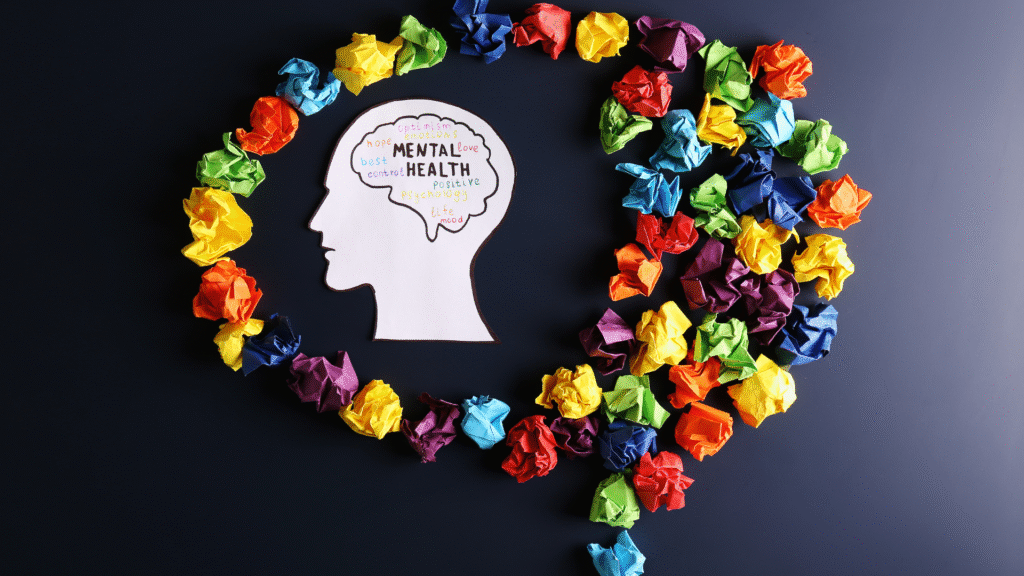
Addiction is often misunderstood as a problem of weak willpower or poor choices. In reality, addiction is closely connected to mental health. Many people who struggle with addiction are also dealing with emotional pain, psychological stress, or undiagnosed mental health conditions.
Mental health and addiction influence each other in powerful ways. Poor mental health can increase the risk of addiction, and addiction can seriously damage mental well-being. To understand addiction fully—and to recover from it successfully—it is essential to understand this connection.
This blog explains, in simple and practical language, how mental health and addiction are linked, why they often occur together, and what kind of treatment approach works best for long-term recovery.
What Is Mental Health?
Mental health refers to a person’s:
- Emotional well-being
- Psychological stability
- Ability to handle stress
- Capacity to make decisions
- Quality of relationships
Good mental health does not mean the absence of problems. It means having the ability to cope with life’s challenges in a healthy way.
When mental health is disturbed, people may experience:
- Anxiety
- Depression
- Mood swings
- Low self-esteem
- Emotional numbness
These struggles often play a key role in addiction.
What Is Addiction?
Addiction is a condition in which a person:
- Loses control over substance use
- Continues using despite harm
- Develops physical or psychological dependence
- Feels strong cravings
- Struggles to stop without help
Addiction affects the brain, behavior, emotions, and decision-making ability.
The Two-Way Relationship Between Mental Health and Addiction
Mental health and addiction are connected in both directions.
- Mental health problems can lead to addiction
- Addiction can cause or worsen mental health problems
This cycle can become very difficult to break without proper treatment.
How Mental Health Issues Can Lead to Addiction
Many people do not start using substances for pleasure alone. They often use substances to cope with emotional pain.
1. Self-Medication
One of the most common reasons people develop addiction is self-medication.
People may use substances to:
- Reduce anxiety
- Escape depression
- Numb emotional pain
- Feel confident or relaxed
- Forget traumatic experiences
While substances may offer temporary relief, they worsen mental health over time.
2. Depression and Addiction
Depression is strongly linked to addiction.
People with depression may:
- Feel hopeless
- Lack motivation
- Feel emotionally empty
- Struggle with daily functioning
Substances may seem to provide energy or emotional escape, but they eventually deepen depression and increase dependency.
3. Anxiety Disorders and Addiction
People with anxiety may use substances to:
- Calm their nerves
- Reduce fear
- Manage social discomfort
- Control panic symptoms
Alcohol and sedatives are commonly used for this purpose, but they increase anxiety in the long run.
4. Trauma and Emotional Pain
Unresolved trauma is a major risk factor for addiction.
Trauma may include:
- Childhood abuse
- Emotional neglect
- Loss of a loved one
- Accidents or violence
Substances are often used to suppress painful memories and emotions.
How Addiction Damages Mental Health
Addiction does not only fail to solve mental health problems—it makes them worse.
1. Chemical Changes in the Brain
Substances alter brain chemistry, affecting:
- Mood regulation
- Stress response
- Motivation
- Pleasure
Over time, the brain becomes less capable of feeling normal happiness without substances.
2. Increased Anxiety and Depression
Many substances:
- Increase anxiety levels
- Cause mood swings
- Lead to emotional instability
When the substance wears off, mental distress often becomes more intense than before.
3. Loss of Self-Esteem
Addiction often leads to:
- Guilt and shame
- Broken relationships
- Missed responsibilities
- Loss of trust
These consequences damage self-worth and emotional stability.
4. Social Isolation
As addiction progresses:
- Social connections weaken
- Family relationships suffer
- Isolation increases
Loneliness significantly worsens mental health.
Co-Occurring Disorders: When Mental Health and Addiction Exist Together
When a person has both a mental health condition and addiction, it is called a co-occurring disorder or dual diagnosis.
This is very common.
Examples include:
- Depression with alcohol addiction
- Anxiety with sedative addiction
- PTSD with drug use
- Bipolar disorder with substance abuse
Treating only one condition often leads to relapse.
Why Treating Addiction Alone Is Not Enough
Many people detox and stop using substances but later relapse. One major reason is untreated mental health issues.
If mental health problems remain:
- Stress returns
- Emotional pain resurfaces
- Coping skills remain weak
Substances may again seem like the only relief.
Integrated Treatment: Treating Both Together
The most effective recovery approach treats mental health and addiction together, not separately.
Integrated treatment includes:
- Medical care
- Psychological therapy
- Emotional support
- Lifestyle changes
This approach addresses the root causes of addiction.
Role of Counseling and Therapy
Therapy helps individuals:
- Understand emotional triggers
- Process trauma
- Change negative thought patterns
- Build healthy coping skills
Therapy is essential for long-term recovery, especially when mental health issues are present.
Importance of Emotional Awareness
Many people struggling with addiction have difficulty identifying emotions.
They may feel:
- Overwhelmed
- Confused
- Emotionally numb
Learning emotional awareness helps individuals respond to feelings without escaping through substances.
Medication and Mental Health in Recovery
In some cases, medication may be necessary to treat:
- Depression
- Anxiety
- Mood disorders
Medication is used responsibly under medical supervision and is not a replacement addiction.
When mental health stabilizes, addiction recovery becomes more sustainable.
Stress, Mental Health, and Relapse Risk
Stress strongly affects both mental health and addiction.
Poor stress management increases:
- Anxiety
- Emotional overwhelm
- Craving intensity
- Relapse risk
Learning healthy stress management is a key part of recovery.
Family Role in Mental Health and Addiction Recovery
Families often focus only on stopping substance use. Supporting mental health is equally important.
Families can help by:
- Encouraging therapy
- Reducing criticism
- Offering emotional safety
- Learning about mental health
A supportive environment promotes healing.
Breaking the Stigma Around Mental Health and Addiction
Many people avoid seeking help because of stigma.
Common fears include:
- Being judged
- Being labeled as weak
- Social shame
Mental health struggles are not personal failures. They are medical and psychological conditions that deserve care.
Building Mental Strength in Recovery
Mental strength is not about avoiding emotions—it is about managing them.
Recovery strengthens:
- Emotional resilience
- Self-awareness
- Confidence
- Decision-making ability
Mental growth is one of the greatest benefits of recovery.
Healthy Habits That Support Mental Health
Good mental health is supported by:
- Regular sleep
- Balanced nutrition
- Physical activity
- Mindfulness practices
- Social connection
Healthy routines reduce emotional instability.
Relapse Prevention Through Mental Health Care
Strong mental health reduces relapse risk by:
- Improving emotional regulation
- Increasing self-control
- Reducing stress response
- Enhancing coping skills
Mental health care is a protective factor in recovery.
Recovery Is a Healing Process, Not Just Abstinence
Recovery is not only about stopping substances. It is about:
- Emotional healing
- Mental balance
- Self-discovery
- Healthy living
True recovery improves overall quality of life.
Hope for Long-Term Recovery
People often believe they will struggle forever. This is not true.
With:
- Proper treatment
- Mental health support
- Patience and consistency
Life becomes calmer, clearer, and more fulfilling over time.
Final Thoughts
Mental health and addiction are deeply connected. Ignoring one while treating the other leads to incomplete recovery. When both are addressed together, recovery becomes stronger, more stable, and more lasting.
Addiction is not a failure of character—it is often a response to emotional pain. Healing the mind is just as important as healing the body.
With understanding, support, and integrated care, individuals can recover not only from addiction, but also rebuild mental well-being and a meaningful life.